 Mostly Points
Southwest butchered its program. That’s how I feel about the changes, and I’m debating which airline earns my loyalty next. I haven’t made that decision yet.
Atmos is getting a closer look, especially with the larger Summit welcome offer making the rounds. But there are two decisions here: whether Alaska and Hawaiian fit the trips you want to take, and which Atmos card, if any, makes those trips cheaper or better.
A card can win the first-year bonus comparison and lose the renewal comparison. Summit costs $395 a year. Ascent costs $95. That extra $300 needs a reason to stay in your budget after the bonus is gone.
Why Southwest’s changes matter to this decision
The immediate issue is what happens to companion travel. Beginning January 1, 2027, Southwest’s announced program awards three Companion Pass trips at 95,000 Tier Qualifying Points or 75 qualifying flights. Unlimited trips come with Platinum at 140,000 TQPs or 100 qualifying flights. Each of the three milestone trips can be a one-way or round-trip itinerary.
New-card welcome bonuses will generally stop helping you qualify for Companion Pass under the new system. Southwest does have a transition exception for eligible applications submitted on or before December 2, 2026, with approval and the offer requirements satisfied. Its FAQ explains when those bonus points can count toward a pass valid through December 31, 2027. An already-earned pass keeps its existing term.
That changes the calculation for someone who built a two-person travel plan around welcome bonuses and repeated Companion Pass use. It doesn’t mean every Southwest ticket becomes a bad purchase. It means the old earning strategy shouldn’t be carried into 2027 without checking it.
There’s a benefit on the other side of the change: all Southwest Rapid Rewards credit cards are scheduled to earn one TQP per eligible dollar from January 1. Whether that helps enough depends on your normal spending and flights. Our 2027 airline-status guide covers the wider qualification changes; this comparison is about where a card fits into a new loyalty decision.
The airline has to work before the card does
For someone weighing Sacramento against SFO, the airport is part of the price. Compare actual flights for a few trips you expect to take, including the drive, parking, departure time and connections. A useful nonstop can beat a better points multiplier.
United deserves a place in an SFO comparison: it represented 48.7% of the airport’s seats in fiscal 2025, versus Alaska’s 9.5%, according to SFO’s published figures. Those are historical network shares, not a promise of the best schedule or fare on your dates. Alaska and Hawaiian deserve a closer look when their flights and Atmos partner awards match the travel you want. Southwest can still win an individual trip even if it no longer wins your default loyalty.
Try the same dates, number of travelers and baggage needs across the candidates. For an award trip, search for enough seats for everyone before assigning value to a companion benefit. A certificate doesn’t create another available seat.
Ascent, Summit and Business solve different problems
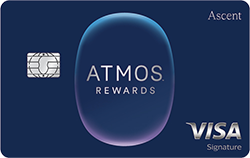

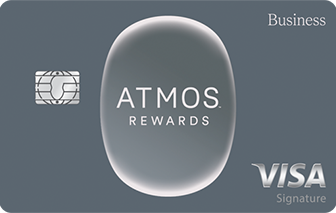
| Card | Annual fee | Main companion benefit | Best question to ask |
|---|---|---|---|
| Ascent | $95 | $99 Companion Fare, plus taxes and fees from $23. Anniversary benefit requires $6,000 in purchases in the prior anniversary year. | Will I use it on an eligible paid trip for two? |
| Summit | $395 | 25,000-point Global Companion Award each anniversary, for an eligible award itinerary for two. | Will award travel and the extra perks justify $300 more than Ascent? |
| Business | $70 per company + $25 per card. One card totals $95. | $99 Companion Fare, plus taxes and fees from $23, after the annual $6,000 purchase requirement. | Do I have eligible business spending and a use for the paid companion fare? |
Business is a separate business account, not simply a cheaper Summit. Its earning categories include eligible shipping purchases. Additional cards increase its annual cost. Compare the business terms and your actual expenses rather than applying just because the fee resembles Ascent’s.
Ascent already includes a first checked bag and preferred boarding for the cardholder and up to six guests on the same reservation when the eligible Alaska or Hawaiian flight is paid with the card. Those shared benefits should not be counted again as reasons to pay Summit’s higher fee.
A paid companion fare and a companion award are different
The Ascent and Business benefit discounts a companion on an eligible paid itinerary. The $99 headline is not the total: taxes and fees start at $23. Compare the final total for both travelers with the best acceptable alternative, including another airline.
Summit’s Global Companion Award reduces the points required for the companion’s eligible award ticket on the same itinerary, up to the certificate amount. It can apply across Alaska, Hawaiian and eligible partners, including premium cabins. Taxes and fees still apply and must be paid with the Summit card. The certificate is not an extra deposit of freely spendable points.
A simple award example
Suppose two available awards cost 50,000 points each. A fully usable 25,000-point companion award would make the points total:
50,000 + 50,000 − 25,000 = 75,000 points
Illustrative arithmetic, not a live fare or available award. Add the applicable taxes and fees. Check the certificate’s eligible itinerary and expiration terms before booking.
If you normally buy inexpensive cash fares, the paid companion fare may be more useful. If you reliably book awards for two, Summit’s certificate may fit better. For a solo traveler, either companion benefit needs an actual second traveler before it deserves much value.
Does Summit clear the extra $300?
Summit adds eight Alaska Lounge passes per calendar year, issued two per quarter. That is not an unlimited lounge membership. It also earns one status point per $2 in eligible purchases and gives 10,000 status points each year starting at the first account anniversary. The anniversary points are not an immediate opening benefit. Issuer benefits · Status-point details
The comparison should subtract the Ascent benefits you give up. Counting every Summit benefit at its advertised value while assigning Ascent zero makes the premium card look better than it is.
| Incremental benefit versus Ascent | Personal estimate |
|---|---|
| Use all 25,000 points of the Global Companion Award at an assumed 1.5¢ per point | +$375 |
| Lounge visits you would personally value at $80 total | +$80 |
| Net savings you would have received from Ascent’s paid companion fare | −$250 |
| Extra benefit value | $205 |
| Extra annual fee: $395 − $95 | −$300 |
| Result | $95 short |
The $250 is assumed net savings after paying the companion fare and its taxes and fees. The 1.5-cent value is a personal estimate, not cash back or a guaranteed redemption. In this example, Summit loses the renewal comparison unless other useful differences cover the remaining $95. At a lower points value, or with an unused certificate, the gap grows.
Status progress can change that result, but count it only if it gets you to benefits you will use. Summit also offers a larger 100,000-point Global Companion Award after $60,000 in purchases in a card anniversary year. Don’t treat that as an automatic annual perk; the spending requirement and rewards forgone on other cards belong in the calculation.
The bigger welcome offer needs its own calculation
Recent October 22 reporting describes a Summit offer of 100,000 bonus points plus a separate 25,000-point Global Companion Award after $6,000 in purchases within 90 days. The Bank of America product page retrieved for this article instead displayed 80,000 points plus the certificate after $4,000 in 90 days. The higher offer was not independently confirmed on a current issuer application page in this check.
Use the exact bonus, deadline and eligible-spending requirement displayed on the application you are considering. Don’t apply through a lower-offer page expecting a higher offer seen elsewhere. And don’t count a welcome bonus in year two. Interest, extra spending to reach a threshold and the card’s fee can change the first-year result.
Where that leaves the loyalty decision
Atmos is a contender, not a decision I’ve already made. The useful test is whether the airline fits the trips and whether the card earns its fee.
For a traveler buying eligible paid flights for two, Ascent is the lower-fee starting point. For someone regularly redeeming points with a companion and using Alaska Lounges, Summit deserves the full calculation. Business belongs in the comparison when there is real business spending and a useful companion-fare plan.
Choosing none is a valid result, too. You can buy the best flight for each trip while deciding where loyalty is worth concentrating. A welcome offer can make a card interesting without making the airline your permanent first choice.
What would those points save you?
Use an actual cash price, an available award and its taxes and fees to estimate redemption value before assigning a dollar value to the companion award.
Compare points with cashSources and offer notes
Checked November 2, 2026. Current card costs and benefits: Bank of America’s Ascent, Summit and Business pages. Companion-award structure: Alaska’s card announcement. Southwest changes: 2027 overview and FAQ. The reported higher Summit offer is distinguished from the issuer page retrieved above. No award availability or approval is promised. Card artwork is supplied by Bank of America; no product image was generated. Mostly Points may earn compensation from some links. Read our disclosure.